
Most estates must go through succession, but assets placed in Trusts or with designated beneficiaries (such as life insurance) may bypass the process.
Call For A Consultation
Call For A Consultation
 Estate planning should be an important part of anyone’s financial planning. By working with a Metairie estate planning lawyer early, you can draft important estate planning documents that can guide your estate during your life and provide guidance on how your assets should be divided after your death. Whether you own property, have investments, or want to ensure that your family has a clear understanding on how to settle your estate, legal guidance is essential.
At WJ Blanchard Law, our estate planning attorney helps Metairie residents prepare for the future with personalized legal guidance. We take the time to understand your goals, then create a customized estate plan that reflects your wishes and protects what matters most
Contact our office today at (504) 313-7478 to schedule a consultation and take the first step toward creating a strong and fulfilling legacy.
Estate planning is an important step for Metairie residents to take in their adulthood. Plans can be adjusted throughout someone’s life as their estate grows and their goals change. Estate planning ensures that assets are protected and distributed according to the wishes of the estate owner.
Common Estate Planning tools include:
Without a clear estate plan in place, Louisiana’s succession laws would determine how property and assets are divided. The default rules provided by law do not account for your personal goals, and often times leave your loved ones with a fraction of the inheritance you planned to leave them.
 A properly structured estate plan prevents unnecessary legal disputes and financial burdens for your family after your death. In Louisiana, failing to create a Will or Trust leaves the division of your estate to Louisiana’s intestate laws. These laws are rigid, and often produce results that are vastly different that your preferences. As a result family members may feel spurned and raise disputes that can result in lengthy court proceedings.
Estate planning allows individuals to assign heirs and beneficiaries, designate trusted representatives for financial or medical decisions, and structure wealth distribution in a way that reduces estate taxes and maximizes the value of assets left to their loved ones.
The cornerstone of any estate plan is the estate owner’s Will. This legal document tells the Court and your family members how assets should be distributed after your death. While a will does not prevent property and assets from going through the succession and probate process, but it may greatly reduce the time your family spends in court.
Like a Will, a Trust can transfer assets to your designated beneficiaries upon your death. When used properly, Revocable Living Trusts allow your important assets to avoid the succession and probate process altogether. Additionally, Living Trusts allow assets to be transferred privately, while a Will becomes a matter of public record during the succession process. Trusts can also help with long-term asset protection, especially in the case of heirs who are likely to receive their inheritance at a young age. With a trust, you can control when and how your beneficiaries receive their inheritance, including tying distributions to certain milestones or expenses.

A Power of Attorney grants an appointed individual the authority to handle financial or medical matters if the principal becomes incapacitated. Without a lawfully drafted and executed power of attorney, family members may need to seek Court approval to manage affairs, which can lead to unnecessary costs, delays, and conflicts regarding care.
A related estate planning tool is a Living Will. This document, also referred to as an advanced healthcare directive, outlines your medical preferences for end of life care so your family knows what to do if you are unable to communicate your wishes. For example, a Living Will can provide directives on whether or not you wish to be on life support for an extended period of time.
Succession is the legal process of transferring ownership of assets and property from a deceased person’s estate to the legal heirs. If there is a Will, the Courts rely on that document to fulfill the wishes of the estate owner. Without a Will, the courts will rely on what are known as intestate succession laws that provide directives on distributing assets, as well as which relatives receive inheritance and in what order.
Estate litigation can arise when heirs dispute a Will’s validity or question the actions of the estate’s executor. Proper planning with the help of a Metairie estate planning lawyer can prevent these complications from delaying the settling of an estate.

An estate administration lawyer assists executors and beneficiaries in managing and distributing a deceased person’s estate. This role is important because it ensures that assets are distributed according to the law and the language outlined in the Will or Trusts.
An estate administration lawyer can handle creditor claims or assist with information necessary for filing tax documents. If any disputes arise, they can also mediate conflicts or represent certain parties in Court. Proper legal guidance can also prevent the executor of an estate from becoming financially liable for any errors. Proper legal guidance ensures the estate process runs smoothly and adheres to all applicable state laws.
Louisiana does not impose a state estate tax, but federal estate taxes may apply to larger estates. With strategic planning, your attorney can reduce tax burdens through trusts, gifting strategies, and charitable donations. Transferring assets gradually during one’s lifetime or placing them into Irrevocable Trusts can prevent heavy taxation after death.
Proper planning also ensures that heirs receive their inheritance without excessive tax liabilities. The team at WJ Blanchard Law can help structure wealth distribution in a way that maximizes asset preservation while staying compliant with state and federal tax laws.
Asset protection is a crucial part of estate planning that ensures that your wealth is safeguarded from creditors, lawsuits, and potential disputes. Placing assets in Irrevocable Trusts or a Family Limited Partnership (FLP) can prevent creditors from accessing certain assets.
Business owners and high-net-worth individuals can benefit from advanced asset protection strategies and thoughtful ownership structures that help limit liability. Proactive estate planning is a powerful tool for minimizing financial risk and ensuring your beneficiaries receive their inheritance without unnecessary delays or complications.
An estate planning lawyer helps ensure your assets are protected and distributed according to your wishes. They assist with drafting Wills, Trusts, Powers of Attorney, and Living Wills, and ensure all documents comply with Louisiana law.
An estate administration attorney can also guide you through succession, minimizing delays and disputes. For complex estates, they provide strategies to reduce taxes and protect assets from creditors. With the right legal guidance, you can navigate the estate process efficiently while safeguarding your legacy.
 Choosing the right estate planning lawyer is a crucial decision, as you’ll likely work with them for many years, if not decades. That’s why it’s important to choose an attorney with experience in drafting Wills and Trusts, and a strong background in asset protection and tax planning. These core skills help ensure your estate plan is well-structured, effective, and built to last.
At WJ Blanchard, we prioritize understanding your financial goals, family dynamics, and long-term objectives. Our team is experienced in crafting tailored estate plans that align with your unique needs. We provide clear, practical guidance on legal requirements and potential risks, helping you make informed decisions.
Scheduling an initial consultation with us is a great way to determine if we’re the right fit for you. Let us help you secure your future and the well-being of your loved ones.
Estate planning touches every part of your life—from safeguarding your assets to making sure your loved ones are taken care of. Without a well-crafted plan, your family could face avoidable legal complications and financial strain. Whether you’re drafting a Will, setting up a Trust, or navigating Louisiana’s succession process, an experienced estate planning attorney can provide the guidance you need.
At WJ Blanchard Law, our experienced estate planning attorney is here to help you protect what matters most and plan confidently for the future. Call (504) 313-7478 to schedule a consultation o schedule your consultation and take the first step toward securing your estate and your family’s financial future.
Most estates must go through succession, but assets placed in Trusts or with designated beneficiaries (such as life insurance) may bypass the process.
It’s recommended to review estate plans every three to five years or after major life events, such as marriage, divorce, or the birth of a child.
Louisiana’s intestate succession laws determine asset distribution, prioritizing spouses, children, and other close relatives.
Forced heirship is a Louisiana law requiring a portion of an estate to be left to certain heirs, typically children under 24 or permanently disabled dependents. This rule applies regardless of the deceased’s wishes, limiting how assets can be distributed.
No, a power of attorney does not grant the authority to modify or create a will. A will can only be changed by the estate owner while they are mentally competent, and any updates must follow Louisiana’s legal requirements.
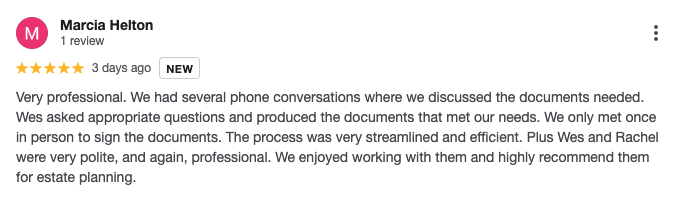
Read all our Google reviews.

© 2026 WJ Blanchard Law. All Rights Reserved.
